Cinematic Revolution: How AI and Real-time Engines are Changing Filmmaking in 2026
From virtual production using Unreal Engine 5 to AI-driven generative video workflows, here is how indie filmmakers are creating studio-quality cinema in 2026.
MoreFusion Editorial Team
Technical Research & Analysis Group
Last Updated: June 22, 2026
In this article:
- The intersection of real-time rendering and generative AI in modern cinema.
- How virtual production LED volumes are replacing traditional green screens.
- Step-by-step pipeline for indie creators to build scenes using local tools.
- Common creative pitfalls when integrating AI into filmmaking workflows.
- Expert predictions on the democratization of high-budget visual effects.
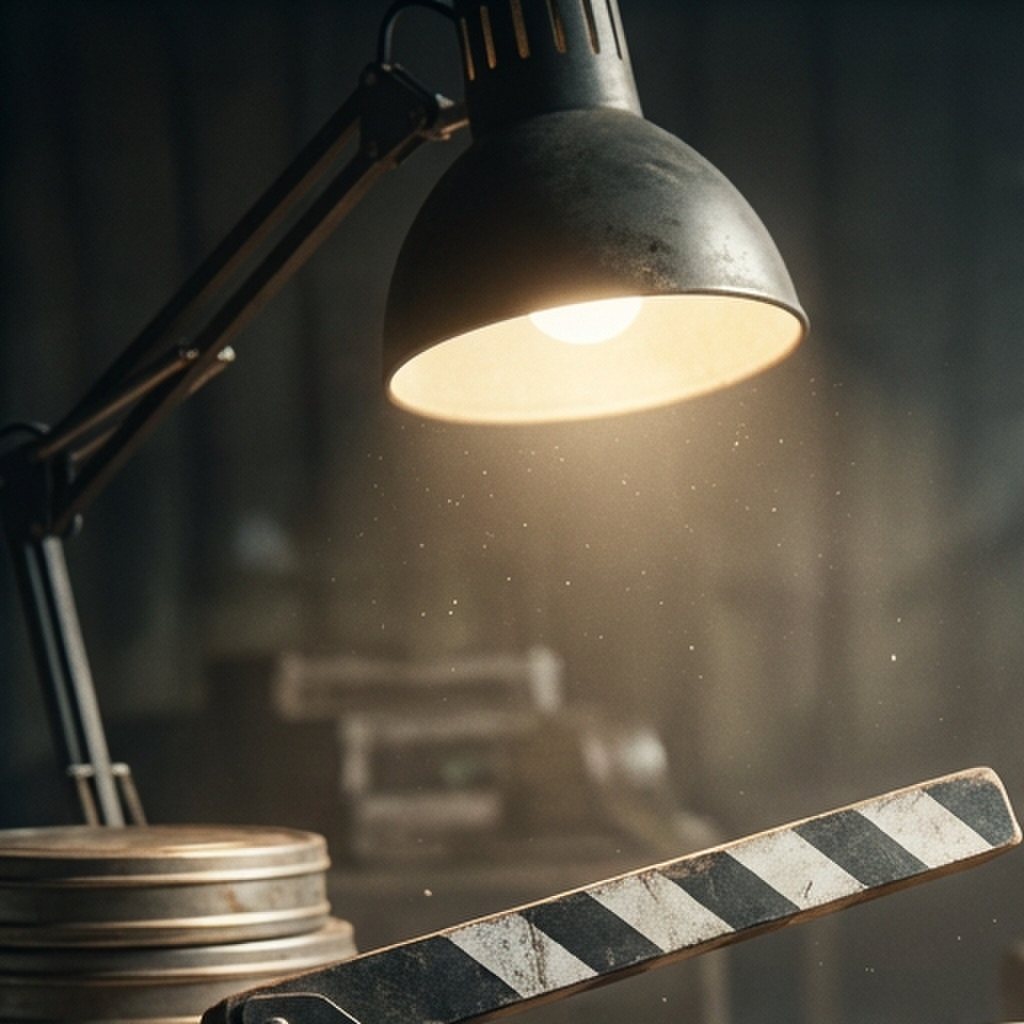
Cinematic Revolution: How AI and Real-time Engines are Changing Filmmaking in 2026
There was a time when making a science-fiction movie required a multi-million dollar studio budget, a crew of hundreds, and months of post-production inside expensive VFX houses. If you were an indie filmmaker, your options were limited to writing stories set in single rooms or compromise on cheap green-screen layouts that looked like old video games.
But in 2026, the boundaries between high-budget studio blockbusters and bedroom indie films have evaporated.
Thanks to the integration of real-time rendering engines (like Unreal Engine 5.5), LED virtual production volumes, and generative AI workflows (like Sora 2 and Kling), directors can visualize, render, and edit complex cinematic worlds in real-time.
In this guide, we will look at how these technologies are changing filmmaking, analyze the modern indie pipeline, and discuss how you can start creating cinematic content today.
1. The Death of the Green Screen: Virtual Production Explained
For decades, green screens were a necessary evil. Actors stood in front of a bright green wall, acting toward tennis balls on sticks, while directors prayed that the lighting would match the background plates added six months later in post-production.
Virtual Production has replaced this workflow.
Instead of a green wall, actors stand in front of a massive, curved LED screen (called a "Volume"). This screen displays a 3D environment rendered in real-time by Unreal Engine.
How Real-Time Virtual Production Works:
- Camera Tracking: The physical camera is fitted with sensors that communicate its position in space to the rendering computer.
- Parallax Effect: As the camera moves left, the 3D environment on the LED screen shifts perspective instantly. To the camera lens, the background has actual depth (parallax), looking exactly like a real physical space.
- Natural Lighting: The LED walls emit real light onto the actors. If the scene is set during a sunset, the actors are illuminated by warm, golden light from the screen, eliminating the artificial look of green-screen compositing.
Here is a quick look at how traditional green screens compare to modern virtual production:
| Feature | Green Screen (VFX) | Virtual Production (LED Volume) | | :--- | :--- | :--- | | Actor Experience | Staring at green walls; relies on imagination | Actor sees the real environment in real-time | | On-Set Lighting | Spill lights; requires tedious color matching | LED screens cast accurate, organic light on actors | | Post-Production | Months of keying, rotoscoping, and rendering | "Final pixels on set" — what you shoot is what you get | | Directorial Control | Decisions made in post-production | Director adjusts environment lighting instantly on set |
2. Generative AI in the Pre-Production & Pitching Pipeline
While LED volumes are changing how films are shot, generative AI is rewriting how films are written, storyboarded, and pitched.
Traditionally, before a movie was greenlit, creators had to hire concept artists to draw storyboards. This phase took weeks and cost thousands of dollars. Today, generative AI pipelines allow directors to create cinematic pitch decks in days.
The pre-production workflow:
- Concept Art & Environment Design: Directors use multimodal AI models to generate high-fidelity concept designs. If a script calls for "a cyber-punk market in a rainy alleyway," the director can generate fifty visual variations in minutes to align the creative direction of the production design team.
- Consistent Storyboarding: Using advanced image-to-image prompts, directors can generate consistent characters across multiple panels, visualizing shot composition, camera angles, and blocking before step-foot on a physical set.
- Pre-Visualization (Pre-vis): By generating short 5-second video sequences using tools like Sora or Kling, creators can cut together a rough version of the movie (an animatic) to test pacing, rhythm, and edits before hiring actors.
3. The Modern Indie Pipeline: Step-by-Step
If you are an independent creator, you might not have access to a multi-million dollar LED volume.
However, you can build a desktop virtual production pipeline using free or low-cost tools. Here is how to set up your workflow:
Step 1: Asset Gathering & Scene Assembly
Start by building your 3D environment. You don't need to model every tree or building from scratch.
- Use libraries like Quixel Megascans or Polyhaven to download high-fidelity 3D assets, textures, and HDRIs.
- Import these assets into Unreal Engine or Blender to assemble your set.
Step 2: Camera Blocking & Live Link
Instead of animating cameras using keyframes, you can control the virtual camera using your smartphone.
- Install the Live Link VCAM app on your phone.
- Connect your phone to your computer over local Wi-Fi.
- You can now hold your phone like a real camera, and as you move it, the camera inside Unreal Engine mimics your movements, capturing organic, handheld shakes.
Step 3: Lighting & Rendering
Adjust your environment lights in real-time. Change the sun angle, adjust the atmospheric fog, and set your depth of field. Once you are satisfied with the look, render your sequence out in seconds using the Movie Render Queue.
4. Balancing Creative Assets & Production Data
As you build 3D environments, manage raw footage, and run render pipelines, your development workflow will generate massive amounts of structured assets.
If you want to read more about organizing files, managing local media caches, or staying productive during long render hours, check out our general guide on Digital Minimalism, which discusses keeping your local system clutter-free to maintain optimal system performance.
Furthermore, if you are a developer writing custom plugins or scripts for Blender or Unreal Engine, you can utilize our JSON Formatter to validate configurations or clean script logs completely offline.
5. Common Creative Pitfalls with AI Filmmaking
While AI is a powerful tool, relying too heavily on generative video can ruin a film. Here are the main traps creators fall into:
Pitfall 1: The "Uncanny Valley" Effect
Generative video models still struggle with physics consistency. If a character picks up a glass of water, the glass might merge with their hand, or the liquid might defy gravity.
- The Fix: Don't use raw generative video for complex physical interactions. Use AI for wide, atmospheric shots, background assets, and environmental details, while shooting characters and physical interactions practically.
Pitfall 2: Over-reliance on Visual Spectacle
Because AI can generate any visual style instantly, it is easy to focus on creating flashy, chaotic scenes while ignoring the narrative structure.
- The Fix: A movie with beautiful visual effects but a weak story will fail to connect with viewers. Focus on writing a compelling script, developing strong character arcs, and pacing your narrative. Use AI to serve the story, not replace it.
6. Frequently Asked Questions
Q: Will generative AI replace human actors and directors?
A: No. While AI can automate visual assets and rendering pipelines, it lacks human emotion, intent, and creative vision. AI is an engine that executes instructions; a human director is still needed to guide the story, direct performances, and shape the emotional arc of the film.
Q: How expensive is it to learn Unreal Engine for filmmaking?
A: Unreal Engine is completely free to download and use for indie creators. You only pay a royalty fee if your finished commercial product generates significant revenue (usually over $1 million).
Q: Can I run virtual production pipelines on a standard laptop?
A: Real-time rendering requires a dedicated graphics card (minimum Nvidia RTX 3060 or Apple M-series Pro chips). If your system lags, you can reduce the viewport resolution or bake lighting maps to keep your frame rate smooth.
7. Expert Tips for Indie Virtual Production
If you are ready to start your first virtual production project, use these techniques to ensure high-quality renders:
- Match Your Camera Lens: Ensure the lens parameters in your 3D software (focal length, aperture, sensor size) match your physical camera lens. This ensures the background depth of field matches the actor in the foreground.
- Prioritize On-Set Lighting: Even if your background is digital, your foreground lighting must match. If your digital background has a red neon sign on the left, position a physical red light on the left of your physical set to cast light on the actor.
- Learn to Kitbash: Do not build everything from scratch. Combine existing 3D models, textures, and assets to create unique designs, saving time and focus for scene blocking and camera movement.
Conclusion: The Era of Democratic Cinema
The integration of real-time rendering and generative AI has democratized filmmaking.
The power to create massive cinematic worlds is no longer restricted to major Hollywood studios. With a standard computer, free software, and a creative vision, any independent director can produce high-fidelity visual effects and compelling storytelling.
The future of cinema is not about the size of your budget; it is about the depth of your ideas.
If you are ready to learn more about tech tools, check out our Blog Archive for more insights, and use our offline developer tools like the JSON Formatter to organize your scripts and workspace configurations. Get out there, start rendering, and tell your story.