Male hair loss is one of the most common concerns among men worldwide, affecting around 50 million men in the United States alone. If you’re reading this, chances are you’ve noticed more hair on your pillow than usual, a wider parting, or maybe a receding hairline creeping in. The frustration is real, and you’re definitely not alone.
But here’s what most people don’t realize: hair loss isn’t something you just have to accept. There are proven, science-backed solutions available today that can slow down hair loss, regrow hair, and in some cases, completely restore your confidence. The key is understanding what’s actually happening to your hair and choosing the right treatment for your specific situation.
In this comprehensive guide, we’ll break down everything you need to know about male hair loss—from why it happens to how you can fight back. Whether you’re looking for natural home remedies, FDA-approved medications, or advanced clinical treatments, we’ve got you covered.
What Is Male Hair Loss? Understanding Androgenetic Alopecia
Male hair loss, medically known as androgenetic alopecia or male pattern baldness, is the most common type of hair loss affecting men today. It accounts for the majority of hair loss cases and can begin as early as your late teens or early 20s, though it’s most commonly noticed in your 30s and 40s.
The progression of male pattern baldness typically follows a predictable pattern. It often starts with a receding hairline that forms an “M” shape, thinning at the crown, or both. Over time, if left untreated, it can lead to significant baldness on the top of the scalp, while hair on the sides and back of your head usually remains intact.
Here’s what makes it different from other types of hair loss: it’s permanent and progressive if not treated. Unlike stress-related hair loss or temporary shedding, male pattern baldness is driven by genetics and hormonal factors that continue to affect your hair over time.
The Real Culprit Behind Male Hair Loss: DHT and Genetics
Before we talk about solutions, you need to understand the actual science behind why men lose their hair. There’s a lot of misinformation out there, so let’s set the record straight.
The DHT Connection
The primary cause of male hair loss is the hormone dihydrotestosterone (DHT). Now, this doesn’t mean bald men have more testosterone—that’s a common myth that needs to be busted. Instead, it comes down to how sensitive your hair follicles are to DHT.
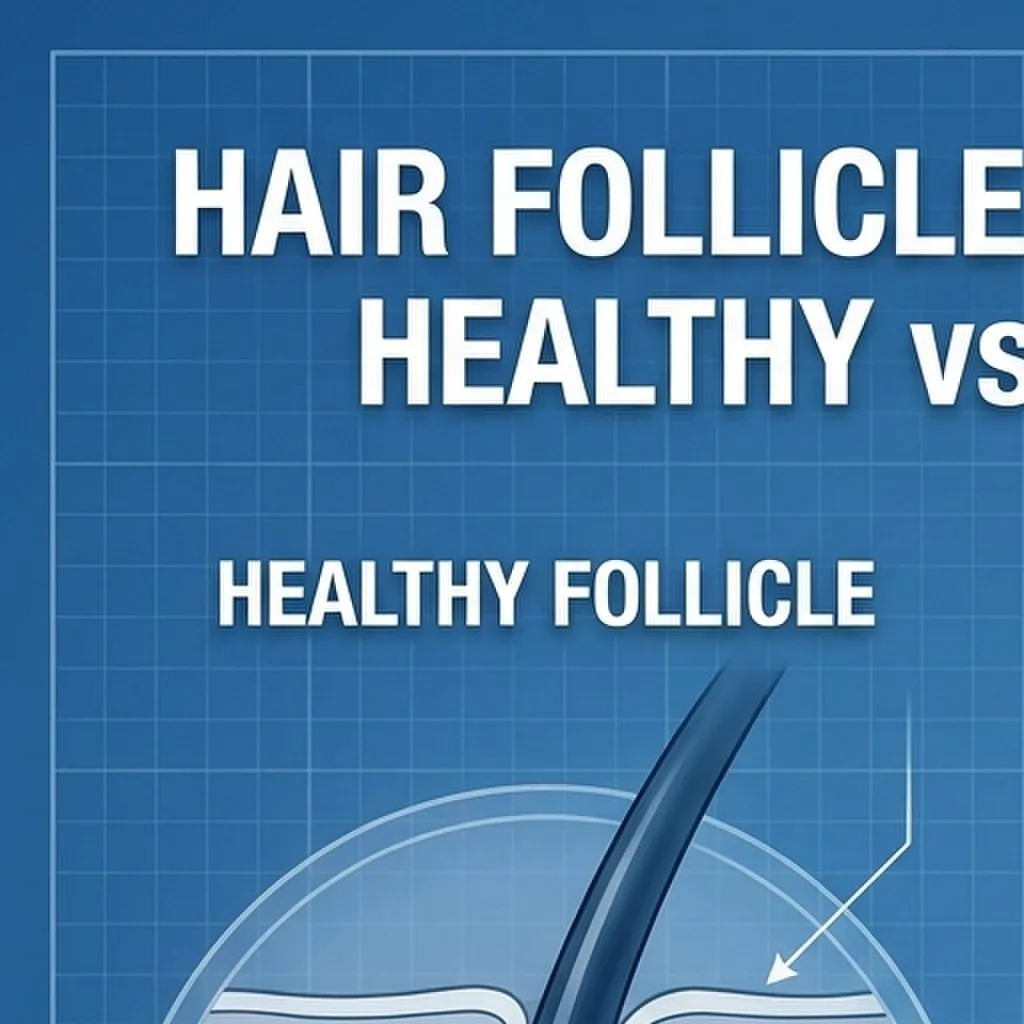
Here’s how it works: Your body converts testosterone into DHT through an enzyme called 5-alpha reductase. In men genetically predisposed to hair loss, their hair follicles are oversensitive to DHT. When DHT binds to receptors on these follicles, it triggers a process called miniaturization.
During miniaturization, your hair follicles shrink. The hair they produce becomes thinner, shorter, and lighter in color. Eventually, these follicles may stop producing visible hair altogether. This process is gradual but progressive, which is why early intervention is crucial.
The Genetic Factor
Male pattern baldness runs in families for a reason: genetics determine both DHT levels and follicle sensitivity to DHT. If your father, grandfather, or other male relatives experienced baldness, you have a higher risk of developing it too.
However—and this is important—genetics alone don’t seal your fate. A gene test can indicate a 70% chance of developing male pattern baldness if you have the genetic variation. This means early intervention and proper treatment can make a significant difference in slowing down or even reversing early hair loss.
Other Contributing Factors
While DHT and genetics are the main drivers, several other factors can accelerate hair loss or make it worse:
- Stress and Hormonal Changes: Chronic stress elevates cortisol levels, which can push hair follicles from their active growth phase into a resting phase prematurely. This triggers a condition called telogen effluvium, though this is typically temporary compared to male pattern baldness.
- Nutritional Deficiencies: Lack of essential nutrients like biotin, iron, zinc, vitamin D, and protein can weaken hair follicles. Your hair needs these micronutrients to grow strong and healthy.
- Poor Sleep: Inadequate sleep (less than 7-9 hours nightly) increases cortisol production, which interferes with your hair growth cycle. Your body repairs and regenerates hair during sleep, so skipping it accelerates shedding.
- Unhealthy Diet: High-sugar and ultra-processed foods raise DHT levels and cause scalp inflammation, both of which trigger faster hair loss.
- Smoking: Studies show a direct link between smoking and accelerated baldness in men.
- Harsh Hair Care: Aggressive brushing, tight hairstyles, or harsh chemical treatments can damage hair and worsen thinning.
Recognizing the Early Signs: When to Take Action
The earlier you catch hair loss and start treatment, the better your results will be. Here are the warning signs you shouldn’t ignore:
- Excessive Shedding: If you’re finding significantly more hair than usual on your pillow, in your shower drain, or on your comb, that’s your first red flag. Normal daily hair loss is 50-100 strands; more than that warrants attention.
- Receding Hairline: Thinning that starts at the temples and gradually forms an “M” shape is a classic sign of male pattern baldness.
- Thinning Crown: If the hair on top of your head looks noticeably thinner or you can see your scalp more easily, it’s time to act.
- Wider Parting: If your normal hair part looks wider than it used to, or your hair density seems reduced, that’s miniaturization in action.
- Bald Spots: Some men develop small, circular bald patches as an early sign of hair loss.
The critical point here is timing. The earlier you start treatment, the more hair you can preserve and potentially regrow. Once follicles completely die, treatments become less effective. This is why dermatologists recommend starting intervention as soon as you notice these signs.
The Proven Medical Treatments: What Actually Works
If you’re serious about fighting male hair loss, science has given us two FDA-approved treatments that actually work. There are also emerging therapies showing promising results.
Finasteride (Propecia): The DHT Blocker
- How it works: Finasteride is an oral medication (1 mg daily) that works by blocking 5-alpha reductase, the enzyme that converts testosterone into DHT. By reducing DHT levels, it prevents further hair loss and can promote partial regrowth.
- Effectiveness: Clinical trials show that finasteride is highly effective at stopping hair loss progression. In studies, approximately 80% of men experienced stabilized hair loss, and about 65% saw some degree of hair regrowth after 2 years of consistent use.
- Timeline: Don’t expect overnight results. Hair regrowth from finasteride typically becomes noticeable after 6-12 months of consistent use. Many men see the most significant improvements between 6-24 months.
- Side Effects: This is important to discuss with your doctor. Common side effects include reduced libido (about 1.8% of users), erectile dysfunction (about 1.3%), and decreased sperm count (about 3.7%). The good news? Most side effects are mild and often resolve as your body adjusts. Less than 2% of users report serious side effects.
- Pro Tip: Combine finasteride with minoxidil for better results. Studies show that combining these medications provides superior hair regrowth compared to using either alone.
Minoxidil (Rogaine): The Growth Stimulator
- How it works: Minoxidil is a topical solution applied directly to the scalp. While scientists still don’t completely understand the exact mechanism, minoxidil appears to extend the active growth phase of hair, increase blood flow to follicles, and stimulate growth factors.
- Effectiveness: Minoxidil has been shown to reduce hair loss and stimulate hair growth. The 5% solution is more effective than 2%, and results are best when used early in the hair loss process.
- Timeline: Similar to finasteride, you need patience. Most users see initial results after 3-4 months, with significant improvement visible after 6-12 months of daily application.
- Application: Apply 1 ml of minoxidil solution to your scalp twice daily. Consistency is crucial—missing doses reduces effectiveness.
- Important: Once you stop using minoxidil, any regrowth will be lost within 3-6 months. This is a maintenance treatment, not a permanent fix.
Combination Therapy
Research shows that combining minoxidil with finasteride provides better results than either treatment alone. A study comparing 0.25% finasteride mixed with 3% minoxidil versus 3% minoxidil alone found statistically significant improvement in hair density and diameter with the combined solution.
PRP Therapy: The Regenerative Approach
Platelet-Rich Plasma (PRP) therapy is an increasingly popular treatment that harnesses your body’s natural healing abilities. This procedure extracts your own blood, concentrates the platelets, and injects this rich plasma directly into your scalp.
- How it works: Your platelets contain growth factors and proteins that stimulate dormant hair follicles, improve follicular activity, and increase blood flow to the scalp.
- Effectiveness: Studies show promising results, especially when combined with minoxidil. In one comparative study, the combination of PRP with topical minoxidil showed the maximum improvement in hair density compared to PRP alone or minoxidil alone.
- Timeline: Results typically appear after 3-4 sessions spaced 1-2 weeks apart, with the most significant results visible after 6 months.
- Cost: PRP therapy is more expensive than medications (typically $400-$1000 per session) but offers a non-hormonal alternative for men concerned about finasteride side effects.
- Safety: Since it uses your own blood, adverse reactions are rare. It’s a safe, regenerative option.
Hair Transplantation: The Permanent Solution
For men with significant, advanced hair loss, hair transplant surgery offers a permanent solution. Modern techniques have evolved far beyond the old “plug” methods that looked unnatural.
- Modern Techniques: Today’s procedures use Follicular Unit Extraction (FUE), where individual hair follicles are carefully extracted from areas of dense hair (usually the back and sides of your scalp) and transplanted to thinning or bald areas.
- Results: Hair transplants provide permanent, natural-looking results because transplanted hair from the back of your scalp is genetically resistant to DHT.
- Timeline: You’ll experience some shedding in the first few months (“shock loss”), which is normal. New hair growth typically becomes noticeable 3-4 months after surgery, with significant thickening by month 6. Full results are usually visible by 12-14 months.
- Cost: Hair transplants are expensive, typically ranging from $4,000 to $15,000 depending on the number of grafts needed.
- Important Consideration: While transplanted hair is permanent, you should ideally combine surgery with medication (finasteride or minoxidil) to prevent further hair loss in non-transplanted areas.
Natural Remedies: What Actually Works (and What Doesn’t)
If you’re looking to complement medical treatments or prefer to start with natural approaches, some remedies have legitimate scientific backing. Many don’t, so let’s be honest about what works and what’s just marketing hype.
Home Remedies That Have Evidence Behind Them
- Scalp Massage: This simple technique works. Regular scalp massages increase blood circulation to hair follicles, delivering more oxygen and nutrients. Spend 5-10 minutes daily massaging your scalp with your fingertips using gentle circular motions. Some studies suggest combining this with oils can enhance results.
- Coconut Oil: Coconut oil contains fatty acids, vitamin E, and antioxidants that nourish the scalp and strengthen hair strands. It helps reduce protein loss from hair and can improve scalp health. Warm coconut oil, massage it into your scalp, and leave it overnight or for a few hours before washing.
- Aloe Vera: Aloe vera gel has anti-inflammatory and hydrating properties that promote scalp health and balance pH levels. Apply fresh aloe vera gel directly to your scalp, leave it for 15-20 minutes, and rinse thoroughly.
- Green Tea Rinse: Green tea contains powerful antioxidants called catechins that strengthen follicles and reduce inflammation. Brew a cup of green tea, let it cool completely, and use it as a final rinse after shampooing. Research shows it may help stimulate hair growth and reduce shedding.
- Rosemary Oil: Rosemary oil has antibacterial and anti-inflammatory properties that support scalp health and stimulate blood flow. Mix a few drops with a carrier oil (like coconut oil), massage into your scalp, and leave it on for a few hours or overnight.
- Pumpkin Seed Oil: One of the most interesting natural remedies, pumpkin seed oil has been shown to block DHT formation—the same hormone that causes male pattern baldness. It also delivers vital nutrients to the scalp and stimulates hair follicles.
- Jojoba Oil: High in vitamins B, C, and E plus copper and zinc, jojoba oil repairs damaged hair and keeps your scalp healthy. Apply a few drops directly to your scalp, massage gently, and wash off after 15-20 minutes.
Herbal Solutions Worth Trying
- Ginseng: This traditional remedy contains saponins that are believed to inhibit 5-alpha reductase, the same enzyme that finasteride targets. While research is limited, studies suggest it may help encourage hair growth naturally.
- Saw Palmetto: Another natural DHT blocker, saw palmetto has been studied for its potential to slow hair loss. While results are mixed and less conclusive than finasteride, some men report positive results when combining it with other treatments.
Nutrition for Hair: What You Should Be Eating
Your hair needs specific nutrients to grow strong and healthy. If you’re deficient in any of these key nutrients, you’re essentially starving your hair follicles. Here’s what to focus on:
- Biotin (Vitamin B7): Essential for keratin production, which is the main protein in hair. Get biotin from eggs, almonds, walnuts, avocados, and sweet potatoes.
- Iron: Critical for oxygen delivery to hair follicles. Deficiency reduces blood supply to follicles and weakens hair roots. Include spinach, lentils, red meat, beans, and raisins in your diet.
- Zinc: Supports hair growth and scalp health. Found in pumpkin seeds, almonds, chickpeas, and oysters.
- Omega-3 Fatty Acids: These healthy fats strengthen hair follicles and reduce inflammation. Eat fatty fish like salmon, mackerel, sardines, plus walnuts and flaxseeds.
- Vitamin A: Aids in hair cell regeneration and sebum production for scalp health. Get it from carrots, sweet potatoes, spinach, and kale.
- Vitamin D: Often deficient in men with hair loss. Spend 10-30 minutes in sunlight daily or consider supplementation if you live in northern climates.
- Protein: Your hair is made of protein (keratin), so adequate protein intake is non-negotiable. Eat eggs, chicken, fish, Greek yogurt, and legumes.
- Water: Dehydration weakens hair follicles and makes hair dry and brittle. Drink 2-3 liters of water daily for optimal hydration.
A practical tip: A Mediterranean-style diet rich in fish, olive oil, vegetables, nuts, and whole grains naturally provides most of these nutrients and has been shown to support healthy hair.
Lifestyle Changes That Matter: Beyond Just Medication
Medical treatments work best when combined with lifestyle changes. These modifications address the root causes of accelerated hair loss:
Stress Management
Chronic stress elevates cortisol, which accelerates hair loss. Implement stress-reduction techniques:
- Meditation: Even 10 minutes daily has been shown to reduce cortisol levels significantly.
- Yoga: Combines meditation with physical activity, providing stress relief and improved circulation.
- Deep Breathing: Practice box breathing (4 counts in, hold 4, out 4, hold 4) several times daily.
Regular Exercise
Physical activity is one of the most effective stress busters and improves overall hair health.
Sleep Optimization
Your body repairs and regenerates hair during sleep. Aim for 7-9 hours nightly:
- Consistent Bedtime: Go to bed and wake up at the same time, even on weekends.
- Sleep Environment: Keep your bedroom cool (around 65-68°F), dark, and quiet.
- Pre-Sleep Routine: Avoid screens 1 hour before bed; try reading or meditation instead.
- Silk Pillowcase: Switch from cotton to silk pillowcases and wear a silk bonnet to bed. Cotton creates friction that damages hair, while silk reduces breakage significantly.
Hair Care Habits
Small changes in how you treat your hair can make a big difference:
- Gentle Washing: Use a mild sulfate-free shampoo and lukewarm water. Wash 2-3 times weekly rather than daily.
- Avoid Tight Hairstyles: Tight ponytails or braids (traction alopecia) can damage hair follicles over time.
- Minimize Heat Styling: High-heat blow dryers and straighteners damage hair. Air dry when possible.
- Regular Scalp Massages: As mentioned, this increases blood flow and nutrient delivery to follicles.
Quit Smoking
Studies consistently show a strong association between smoking and male pattern baldness. Smoking accelerates aging and reduces blood flow to the scalp. If you smoke, quitting is one of the single best things you can do for your hair (and overall health).
Exercise Regularly
Regular physical activity improves blood circulation, reduces stress, regulates hormones, and supports overall health—all factors that improve hair health. Aim for 150 minutes of moderate exercise weekly.
Treatment Timeline and What to Expect
One of the biggest frustrations with hair loss treatments is the waiting. Your hair doesn’t regrow overnight, and understanding realistic timelines helps you stay consistent with treatment.
- Months 1-3: Most treatments show minimal visible changes during this period. You might not see anything obvious, but biologically, treatments are working to stop ongoing hair loss. Many men get discouraged here and quit—don’t be that guy.
- Months 3-6: Early changes begin to appear. Hair might feel slightly thicker or you might notice slightly less shedding in your shower. These are good signs that treatment is working.
- Months 6-12: This is where most visible improvement happens. Hair density noticeably increases, existing hair feels thicker, and the rate of shedding decreases significantly. Many men see a return to their hair from 5-10 years prior.
- Months 12+: Continued improvement, with final results typically visible by month 12-18 depending on the treatment. Some treatments continue to improve results even after a year.
Important: If you stop treatment, regrowth will reverse within 3-6 months. This is especially true for minoxidil and finasteride—they require ongoing use to maintain results.
Common Myths About Male Hair Loss (Let’s Bust Them)
The hair loss space is filled with misinformation. Let’s clear up some common misconceptions:
-
Myth: “Hair loss means I have too much testosterone”
- Truth: Male pattern baldness isn’t about testosterone levels—it’s about hair follicle sensitivity to DHT. Bald men don’t necessarily have higher testosterone levels than non-bald men. The difference is genetic sensitivity.
-
Myth: “If my mother’s father was bald, I’ll definitely go bald”
- Truth: While genetics play a role, it’s not predetermined. A positive genetic test indicates a 70% chance, not 100%. Early intervention, lifestyle changes, and proper treatment can significantly alter your trajectory.
-
Myth: “Stress causes male pattern baldness”
- Truth: Stress doesn’t cause permanent male pattern baldness, though it can accelerate the process. Stress-related hair loss (telogen effluvium) is usually temporary and reverses when stress resolves. However, chronic stress can speed up genetic hair loss.
-
Myth: “Washing my hair too much causes hair loss”
- Truth: Gentle regular washing doesn’t cause hair loss. In fact, keeping your scalp clean and healthy is important. Aggressive washing or harsh chemicals might damage existing hair, but normal washing is fine.
-
Myth: “Hair grows faster if you cut it”
- Truth: Hair grows from the root, not the tip. Cutting doesn’t affect growth rate. However, removing damaged tips prevents further breakage, which can make hair look healthier and fuller.
-
Myth: “Bald men are more fertile”
- Truth: No. This is complete myth. While both baldness and testosterone influence fertility, the connection isn’t direct. Some studies even suggest men with early baldness (before age 30) have lower sperm counts.
When to See a Dermatologist
While you can start with over-the-counter minoxidil and natural remedies, seeing a dermatologist is worthwhile if:
- Hair loss is rapid or sudden
- You have accompanying scalp symptoms (itching, burning, pain)
- You want to discuss finasteride, which requires a prescription
- You’re considering advanced treatments like PRP or hair transplants
- You want to rule out other conditions causing hair loss
- Over-the-counter treatments aren’t working after 6 months
A dermatologist can confirm male pattern baldness, assess your specific situation, and create a personalized treatment plan.
The Bottom Line: Take Action Now
Male hair loss is incredibly common, but that doesn’t mean you have to accept it. With the range of treatments available today—from medications to natural remedies to advanced therapies—you have real options to stop hair loss and regrow hair.
The key is early intervention. The earlier you start treating hair loss, the better your results will be. Once follicles are completely destroyed, treatments become less effective. So if you’re noticing early signs, don’t wait and hope it goes away—take action.
Start with a healthy diet rich in hair-supporting nutrients, manage stress, optimize sleep, and consider combining finasteride with minoxidil for the most effective medical approach. Add natural remedies like scalp massage and green tea rinses to complement your treatment. Be consistent, patient, and realistic about timelines.
Your hair is worth the investment. Don’t let male pattern baldness steal your confidence when proven solutions are available. Take action today, and you’ll be grateful six months from now.
Have you tried any treatments for hair loss? What worked for you? Share your experience in the comments below—your story might help someone else take the first step toward regaining their hair.