The Future of Digital Payments in India: UPI 2.0 and the 5-Lakh Era
MoreFusion Editorial Team
Technical Research & Analysis Group
Last Updated: May 11, 2026
In this article:
- Key technical advancements in News
- Impact on Indian digital ecosystem
- Expert analysis and future outlook
- Practical takeaways for users

The Future of Digital Payments in India: UPI 2.0 and the 5-Lakh Era
In 2026, India's Unified Payments Interface (UPI) is no longer just a "fast payment" tool; it has transformed into the backbone of the world's most sophisticated digital economy. With over 22 billion transactions monthly, the ecosystem is entering a new phase of high-value utility and global integration.
If you are a taxpayer, a student, or a tech enthusiast, the changes implemented in May 2026 will fundamentally change how you interact with money.
Key Takeaway
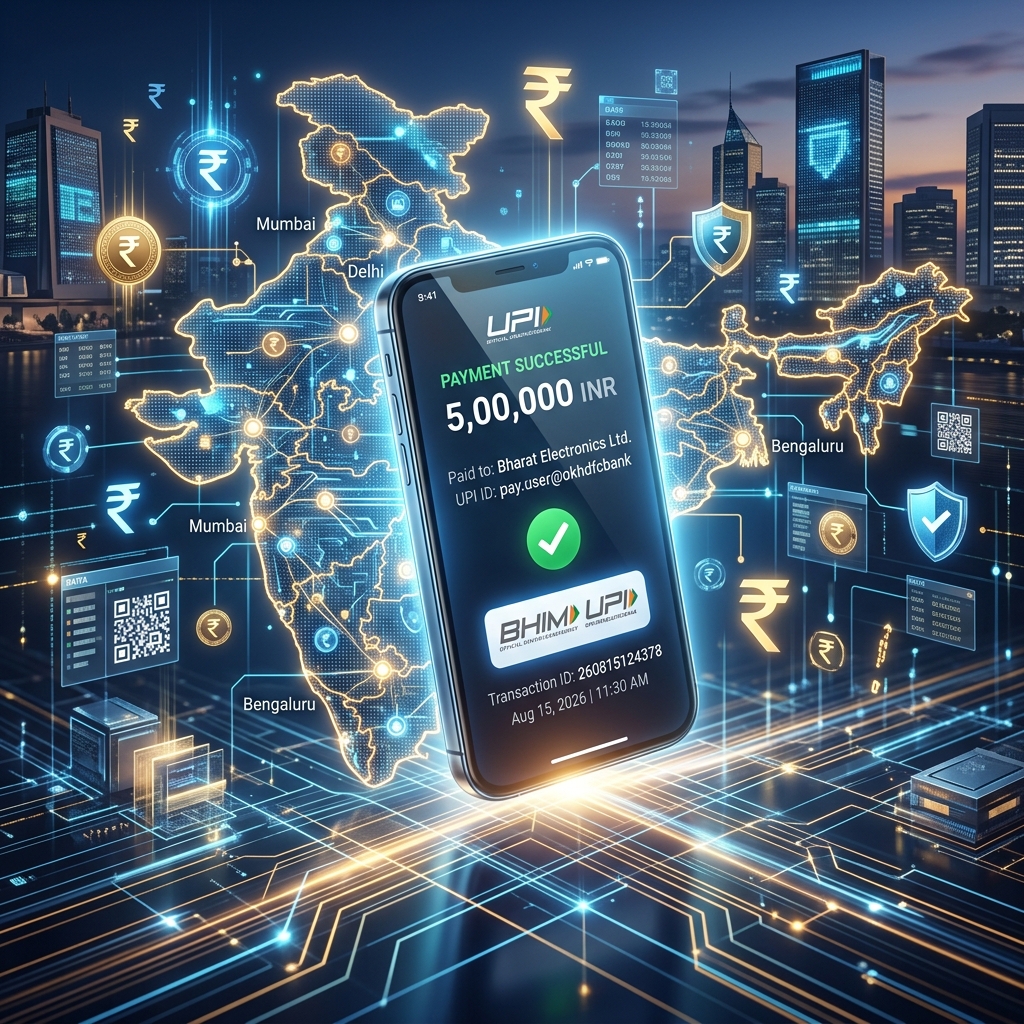
The NPCI has increased the daily transaction limit to ₹5 Lakh for specific high-value categories including Income Tax, Healthcare, and Education, effectively bridging the gap between UPI and traditional RTGS/NEFT.
1. The ₹5-Lakh Threshold: Why It Matters
For years, the ₹1 Lakh limit was a hurdle for mid-tier transactions. As of May 2026, the NPCI has officially greenlit a ₹5 Lakh daily limit for verified merchants in:
- Education: Paying semester fees for universities.
- Healthcare: Hospital bills and emergency payments.
- Taxes: Direct income tax payments to the government.
This move is designed to reduce the friction of high-value transactions that previously forced users back to legacy banking portals.
Note
This limit is only applicable to "Verified Merchants" and not for Person-to-Person (P2P) transfers, which still carry a standard security cap of ₹1 Lakh to prevent fraud.
2. UPI AutoPay & "Traffic Management"
One of the biggest technical challenges in 2026 is managing the sheer volume of recurring payments. SIPs, EMIs, and subscriptions now account for nearly 15% of all UPI traffic.
To ensure grid stability during peak morning hours, the NPCI has introduced Dynamic AutoPay Scheduling.
Pro Tip
If you have multiple recurring payments, ensure your linked bank account has sufficient balance at least 24 hours in advance. The system now prioritizes EMIs and SIPs during "Off-Peak" windows (2 AM to 5 AM) to reduce daytime server load.
3. The Global Entrance: Apple Pay and Global Wallets
2026 marks the entry of major global players into the Indian UPI rail. Apple Pay and Google Wallet (Global Edition) are now fully integrated with UPI, offering a seamless biometric-first experience for iPhone and Android users.
This competition is driving local apps like PhonePe and Google Pay (India) to innovate faster, leading to better cashback rewards and deeper integration with credit-on-UPI features.
4. Security in the AI Era: How to Stay Safe
With the rise of AI-driven phishing and deepfake voice scams, UPI security has seen its biggest upgrade in a decade.
- Biometric Locks: Mandatory FaceID/Fingerprint for any transaction over ₹5,000.
- AI Fraud Shield: Real-time analysis of "Abnormal Velocity" (e.g., sending money to 10 new contacts in 1 minute).
- Cooling Periods: A 4-hour cooling period for the first transaction to a new beneficiary exceeding ₹2,000.
What’s Next for Digital India?
As we move towards the end of 2026, the focus is shifting to Offline UPI via Satellite-Link for rural areas and the complete integration of e-RUPI for government subsidies. India’s payment rail is no longer just local—it’s the global gold standard.
Disclaimer: This report is based on current policy trends and NPCI directives as of May 2026. Always verify transaction limits with your specific banking partner.