The Indian EV Explosion: Why 2026 is the Year of the Electric SUV
MoreFusion Editorial Team
Technical Research & Analysis Group
Last Updated: May 11, 2026
In this article:
- Key technical advancements in News
- Impact on Indian digital ecosystem
- Expert analysis and future outlook
- Practical takeaways for users
The Indian EV Explosion: Why 2026 is the Year of the Electric SUV
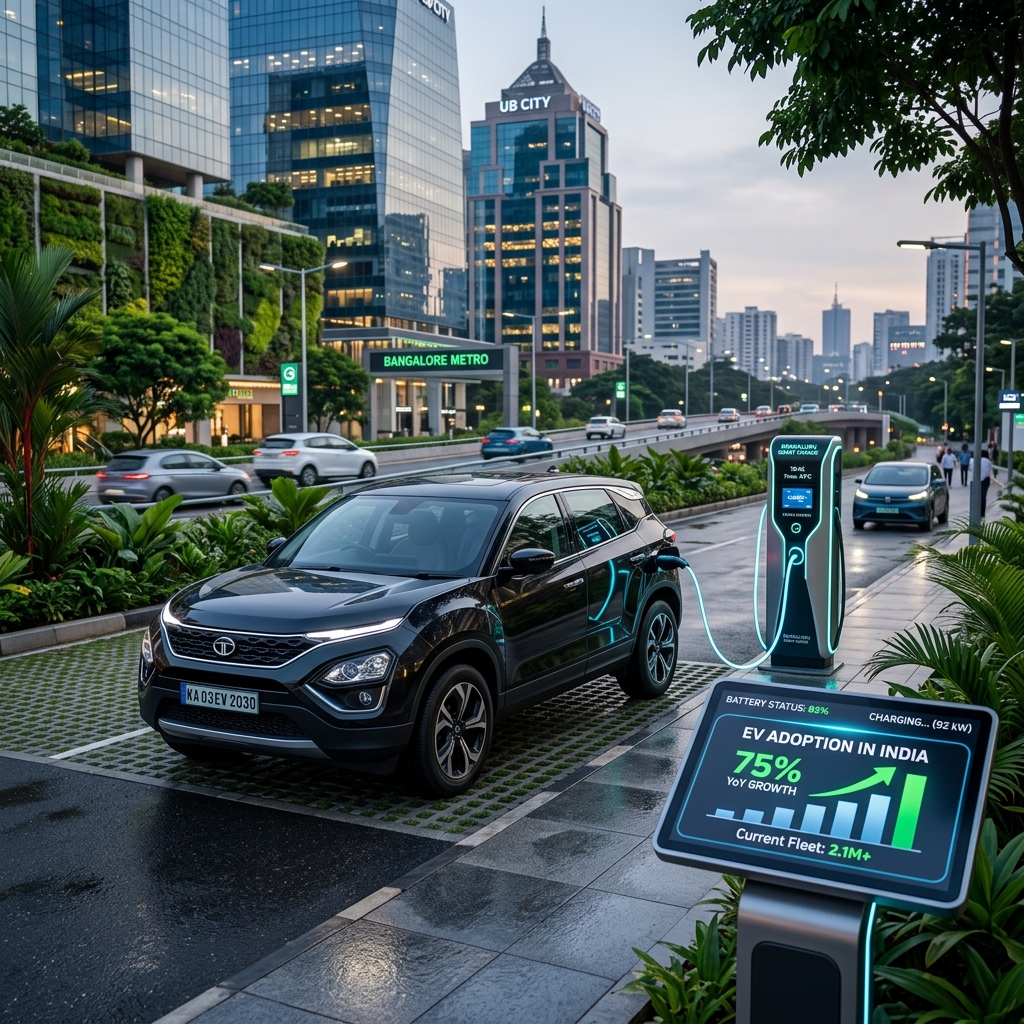
If you’ve stepped onto the streets of Mumbai, Delhi, or Bengaluru lately, you’ve likely noticed a silent revolution. As of May 2026, sales of electric passenger vehicles in India have jumped by a staggering 75% year-on-year.
What was once a niche market for early adopters has officially gone mainstream. From affordable hatchbacks to premium electric SUVs, the Indian consumer is finally making the switch.
Key Takeaway
The launch of five major electric SUV models in the ₹15L–₹25L segment has been the 'tipping point' for mass adoption in 2026.
1. The Heavy Hitters: Tata, Mahindra, and Toyota
2026 has been defined by three major launches that changed the game:
- Tata's Gen-3 Platform: Offering a real-world range of 500km+ at a competitive price point.
- Mahindra's BE Series: A bold design-led approach that has captured the urban youth market.
- Toyota's First BEV for India: Bringing legendary reliability to the electric space, winning over the conservative family buyer.
Note
Even with global supply chain pressures leading to minor price hikes in May, the 'Total Cost of Ownership' (TCO) for EVs remains 30% lower than petrol alternatives over a 5-year period.
2. Infrastructure: The "Hyper-Charging" Network
The biggest barrier to EV adoption has always been "Range Anxiety." In 2026, this is becoming a thing of the past.
Pro Tip
Most major highways in India now feature DC Fast Chargers every 40-50km. Many of these are now integrated with solar-canopies, making the charging process 100% green.
3. Battery Tech: The "Made in India" Advantage
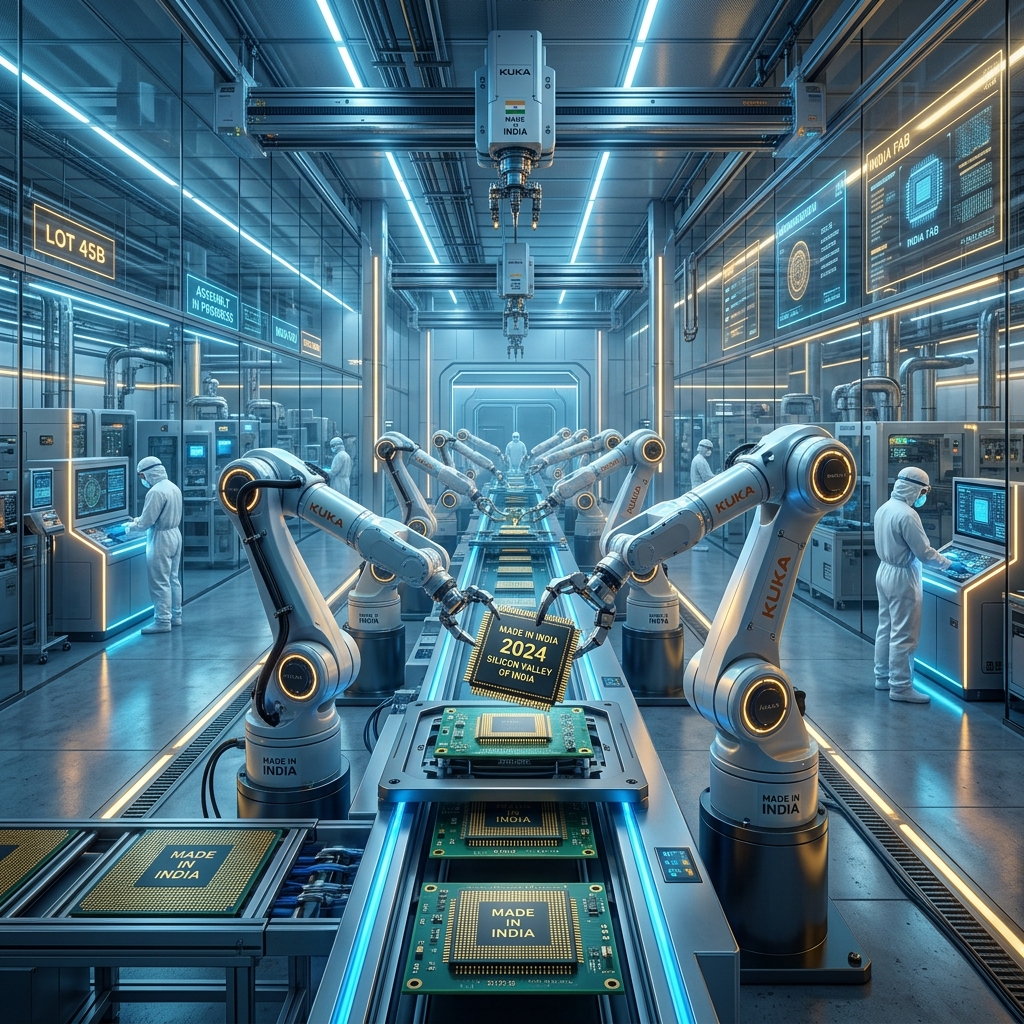
The government's PLI (Production Linked Incentive) scheme has finally bore fruit. In 2026, 60% of EV batteries used in Indian cars are manufactured locally, significantly reducing import costs and improving serviceability.
4. Second-Hand Market & Resale Value
For the first time, we are seeing a robust second-hand market for EVs. Early models from 2021-22 are holding their value better than expected, thanks to battery health monitoring tools that give buyers confidence.
Is It Time to Go Electric?
If you drive more than 30km a day, the answer in 2026 is a resounding YES. With government subsidies still active and fuel prices remaining volatile, the economic argument is as strong as the environmental one.
Disclaimer: Sales data based on FADA and SIAM reports for April-May 2026. Consult with local dealers for state-specific subsidies.