India's Green Energy Milestone: Hitting 50% Non-Fossil Capacity 5 Years Early
MoreFusion Editorial Team
Technical Research & Analysis Group
Last Updated: May 11, 2026
In this article:
- Key technical advancements in News
- Impact on Indian digital ecosystem
- Expert analysis and future outlook
- Practical takeaways for users
India's Green Energy Milestone: Hitting 50% Non-Fossil Capacity 5 Years Early
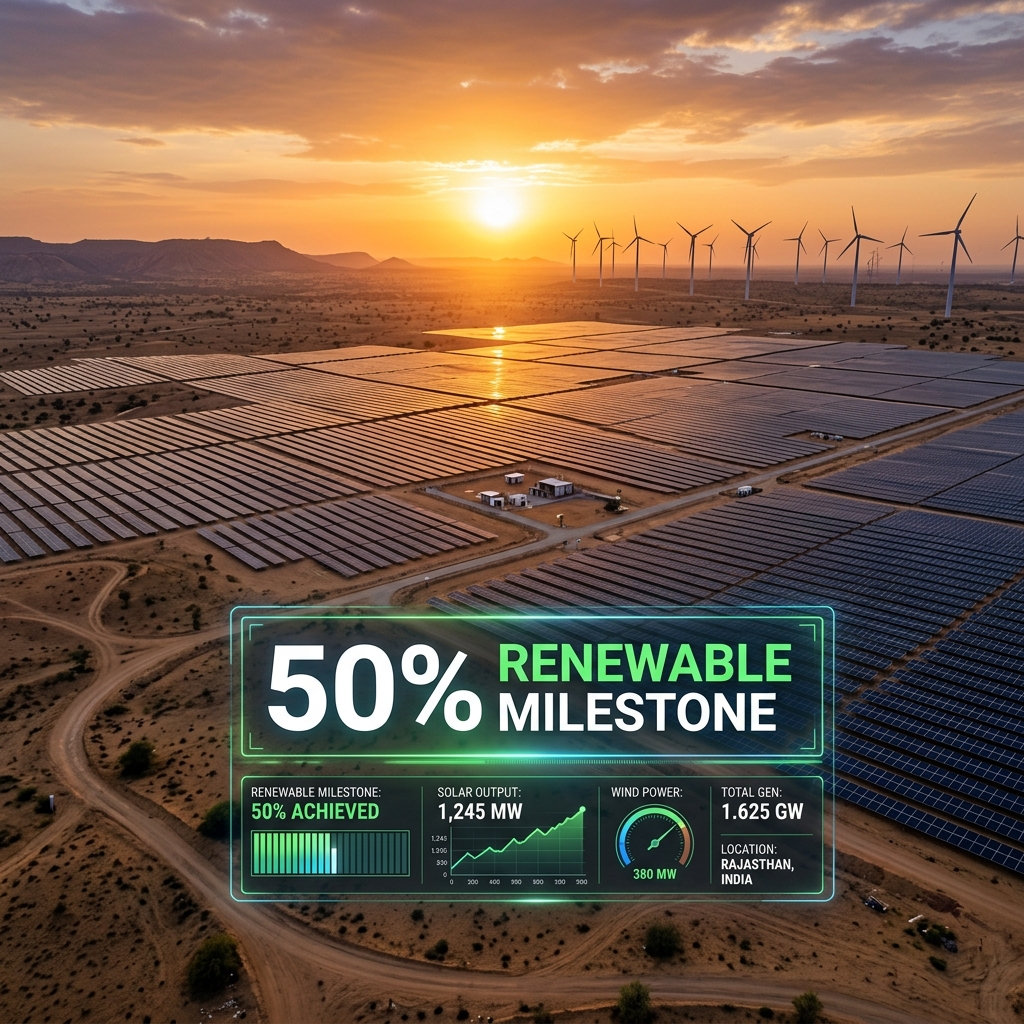
The world is watching as India achieves what many thought was impossible. As of May 2026, India has officially reached over 50% of its installed electricity capacity from non-fossil fuel sources. This landmark achievement comes exactly five years ahead of the 2030 target set during the Paris Agreement.
This transition is not just a win for the environment; it is a fundamental restructuring of the Indian economy.
Key Takeaway
India is now the third-largest country globally in renewable energy installed capacity, driven by a massive surge in solar parks and offshore wind projects in Gujarat and Rajasthan.
1. The Solar Surge: Rajasthan's Golden Sands
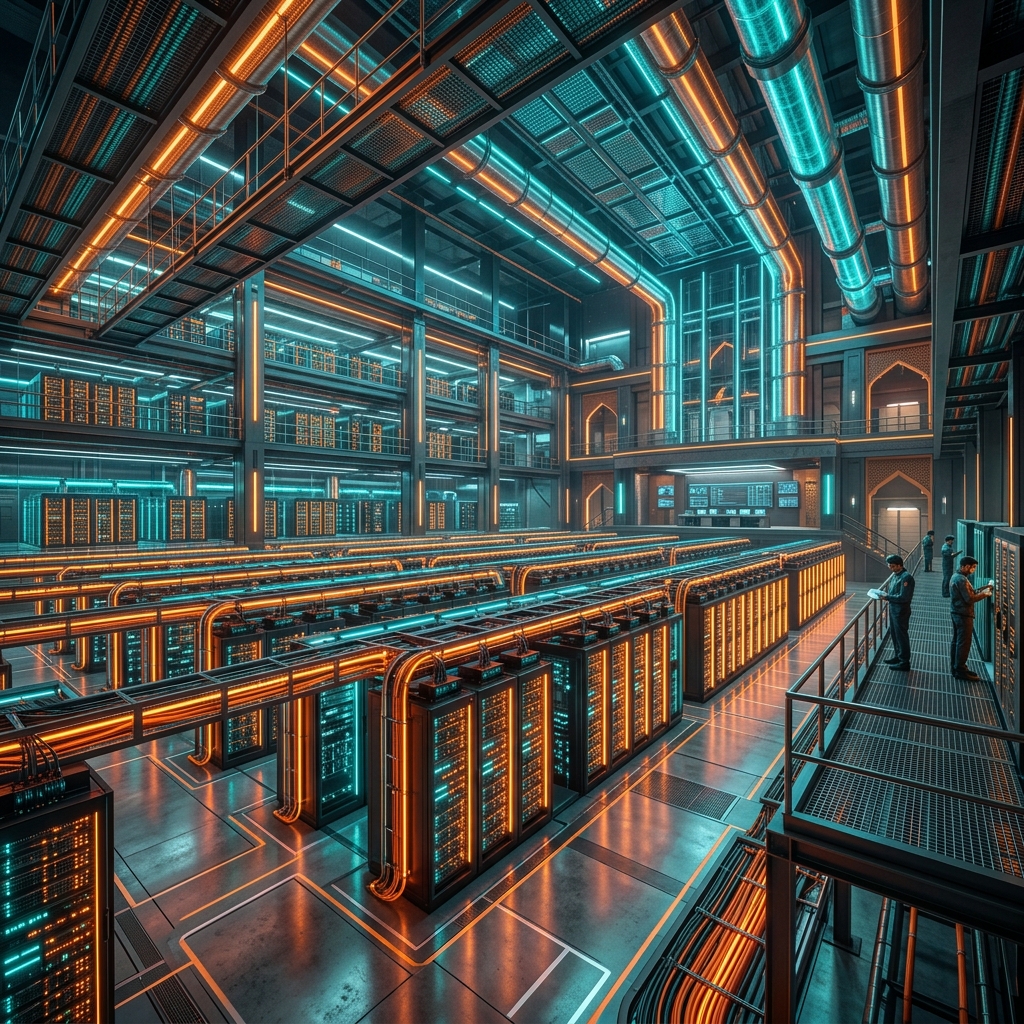
The primary driver of this milestone has been the exponential growth of solar power. The Bhadla Solar Park expansion in 2025 turned it into a global compute hub, powering not just homes but also the massive data centers required for India's AI boom.
Note
Solar energy costs in India have dropped by another 12% in the last year, making it the cheapest source of new electricity generation in the country.
2. Grid Stability: The BESS Revolution
One of the biggest criticisms of renewable energy has been its intermittency—the sun doesn't shine at night. However, 2026 has seen the successful deployment of Battery Energy Storage Systems (BESS) across the national grid.
Pro Tip
The government's new 'Green Energy Corridor' ensures that surplus power from solar-rich states like Rajasthan is efficiently transferred to industrial hubs in Maharashtra and Tamil Nadu during peak demand.
3. Offshore Wind: The New Frontier
While solar took the lead early on, 2026 marks the year Offshore Wind became a viable contributor. Projects off the coast of Tamil Nadu and Gujarat are now feeding consistent power into the grid, complementing the daytime solar peak.
4. The Impact on Consumers
For the average Indian citizen, this transition is manifesting in:
- Lower Electricity Bills: Solar-linked tariffs are stabilizing prices.
- Improved Air Quality: A significant reduction in coal reliance has led to clearer skies in major industrial corridors.
- Job Creation: The renewable sector now employs over 2.5 million people in India, from technicians to high-end energy engineers.
Looking Ahead: The Net Zero Path
While hitting 50% is a massive win, the path to Net Zero 2070 still requires significant effort. The focus for the rest of 2026 will be on Green Hydrogen and the total electrification of the public transport sector.
Disclaimer: Data sourced from the Ministry of New and Renewable Energy (MNRE) and the International Energy Agency (IEA) reports as of Q2 2026.